I buildproducts,not just websites.
Full Stack Product Engineer. I take SaaS platforms, AI systems and mobile apps from first sketch to production, and stay accountable after launch.
Shipped for
I help startups, agencies and product teams ship SaaS platforms, AI systems, iOS and Android apps, dashboards and marketplaces, built to survive the second year, not just the launch.
- 6+
- Years building products
- 70+
- Projects delivered
- 20+
- Technologies in production
- 4
- Continents served
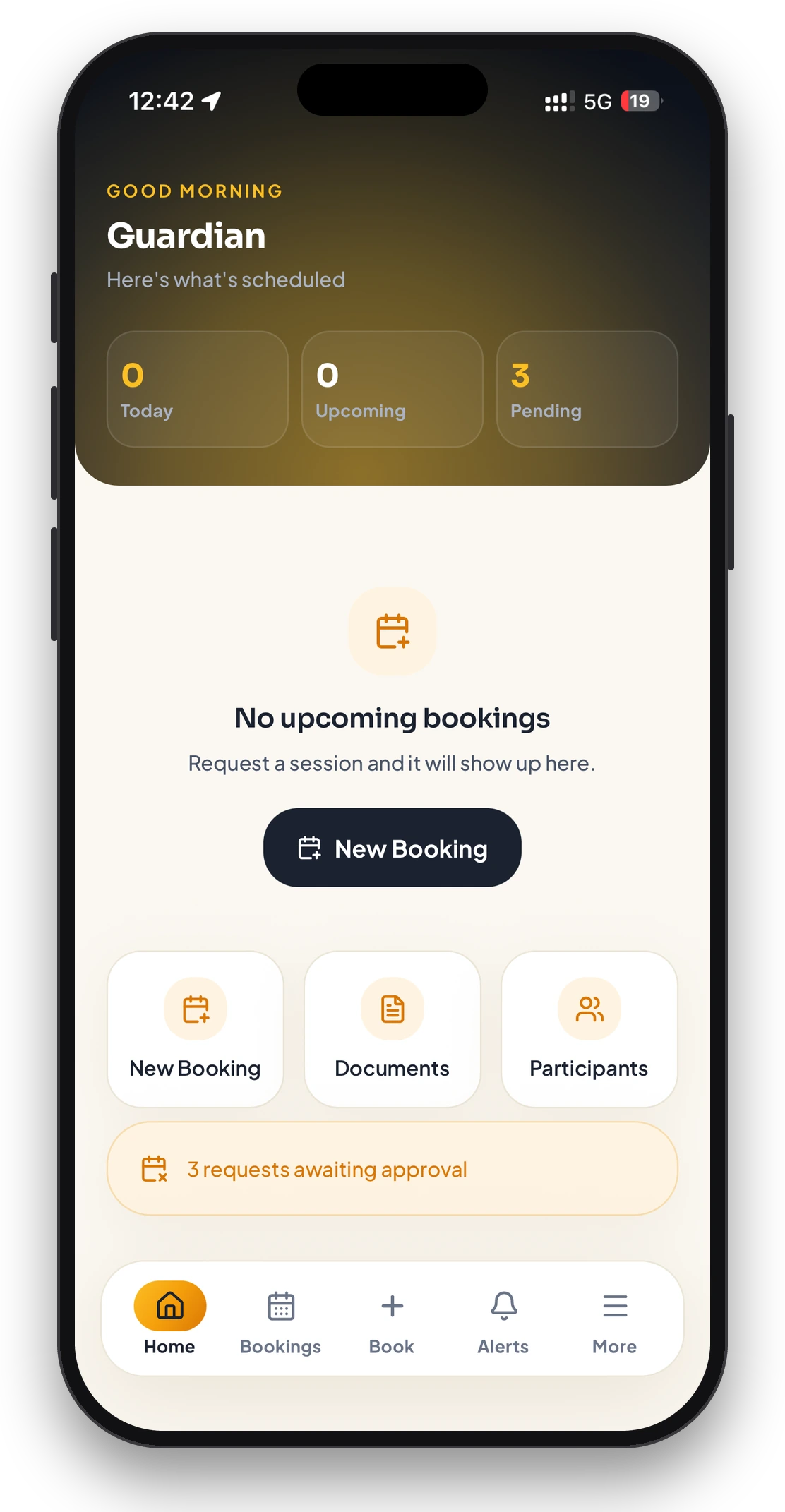
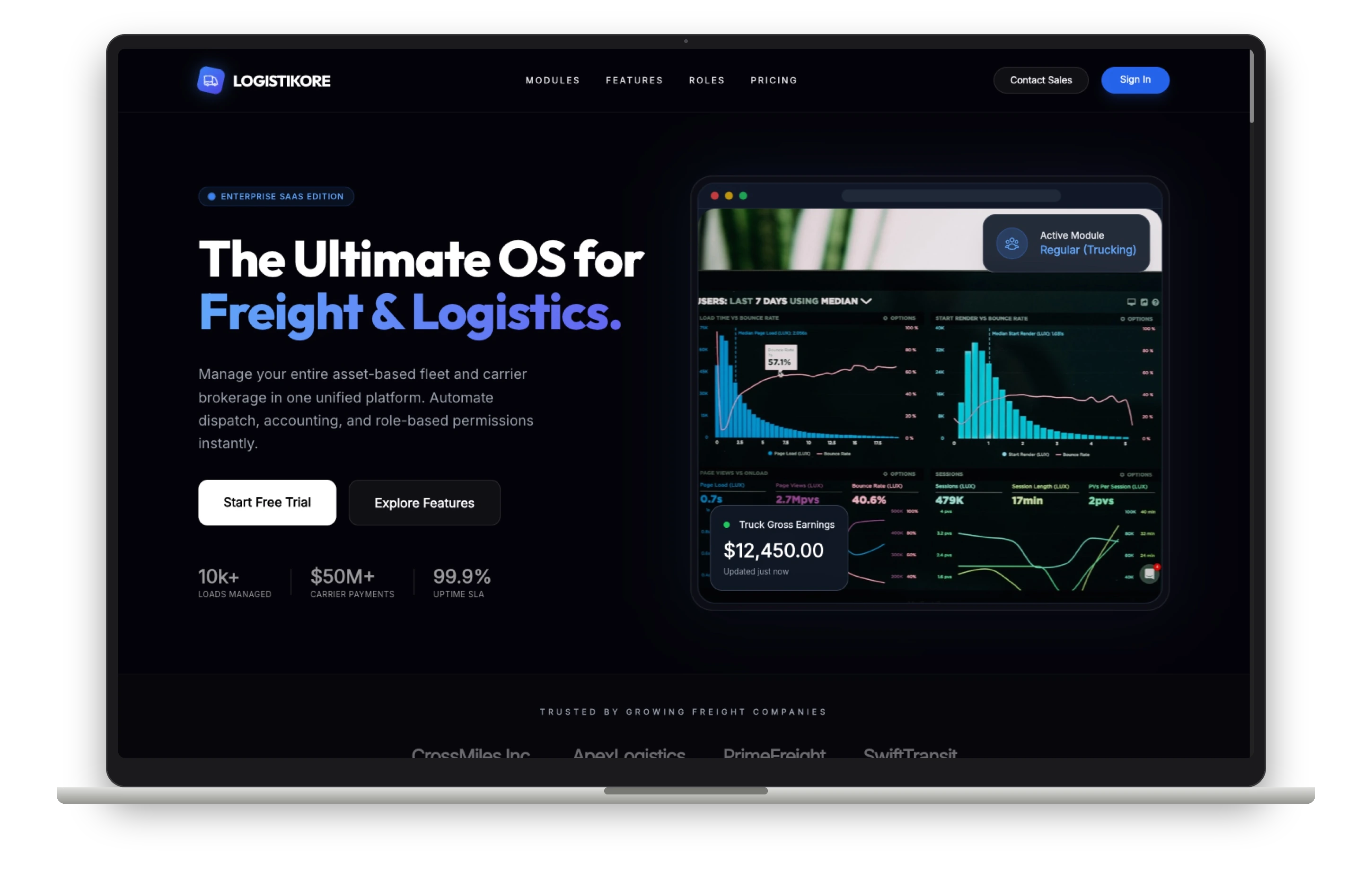
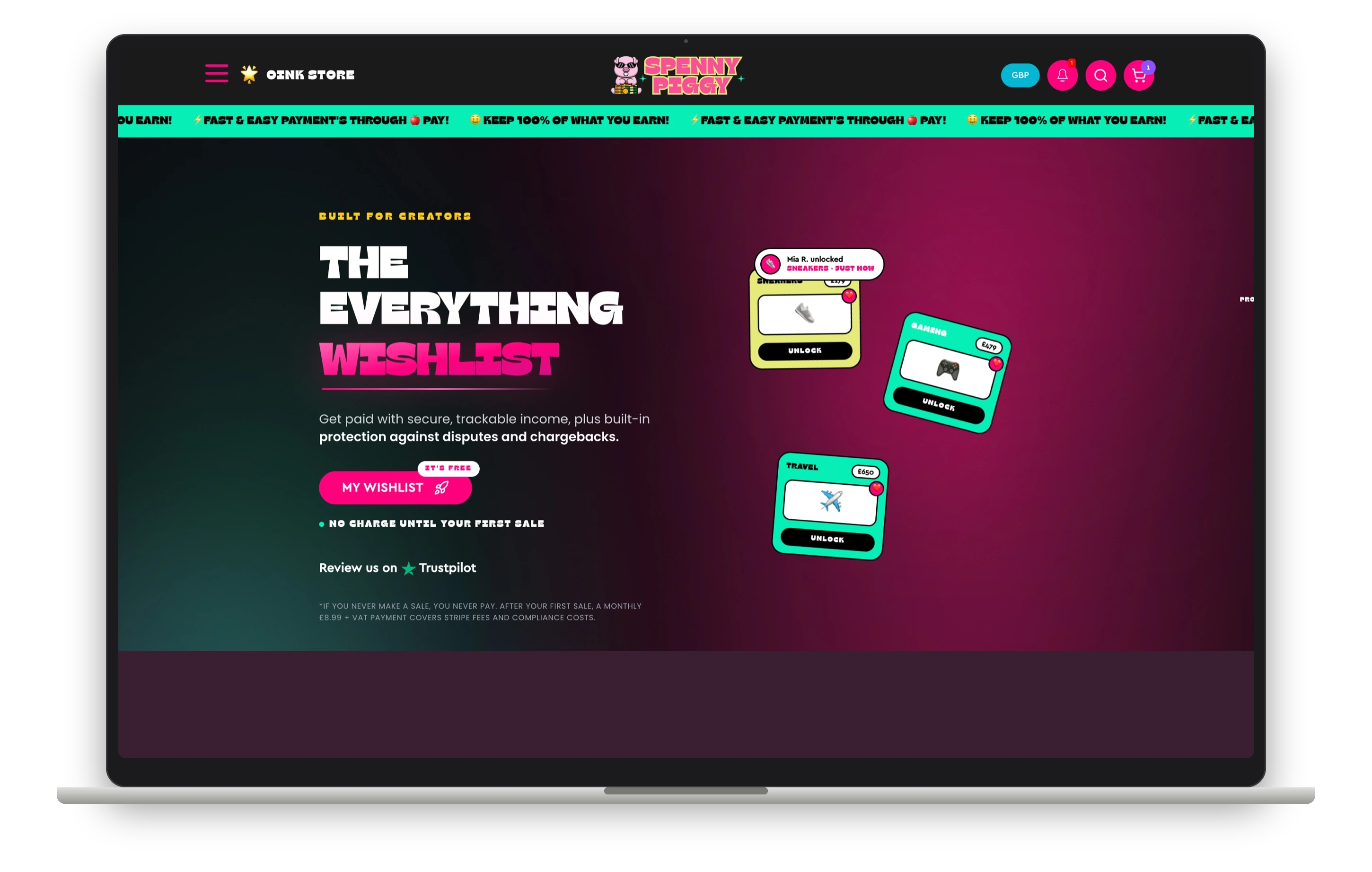
Eight products that shipped, and mostly still run.
View case studies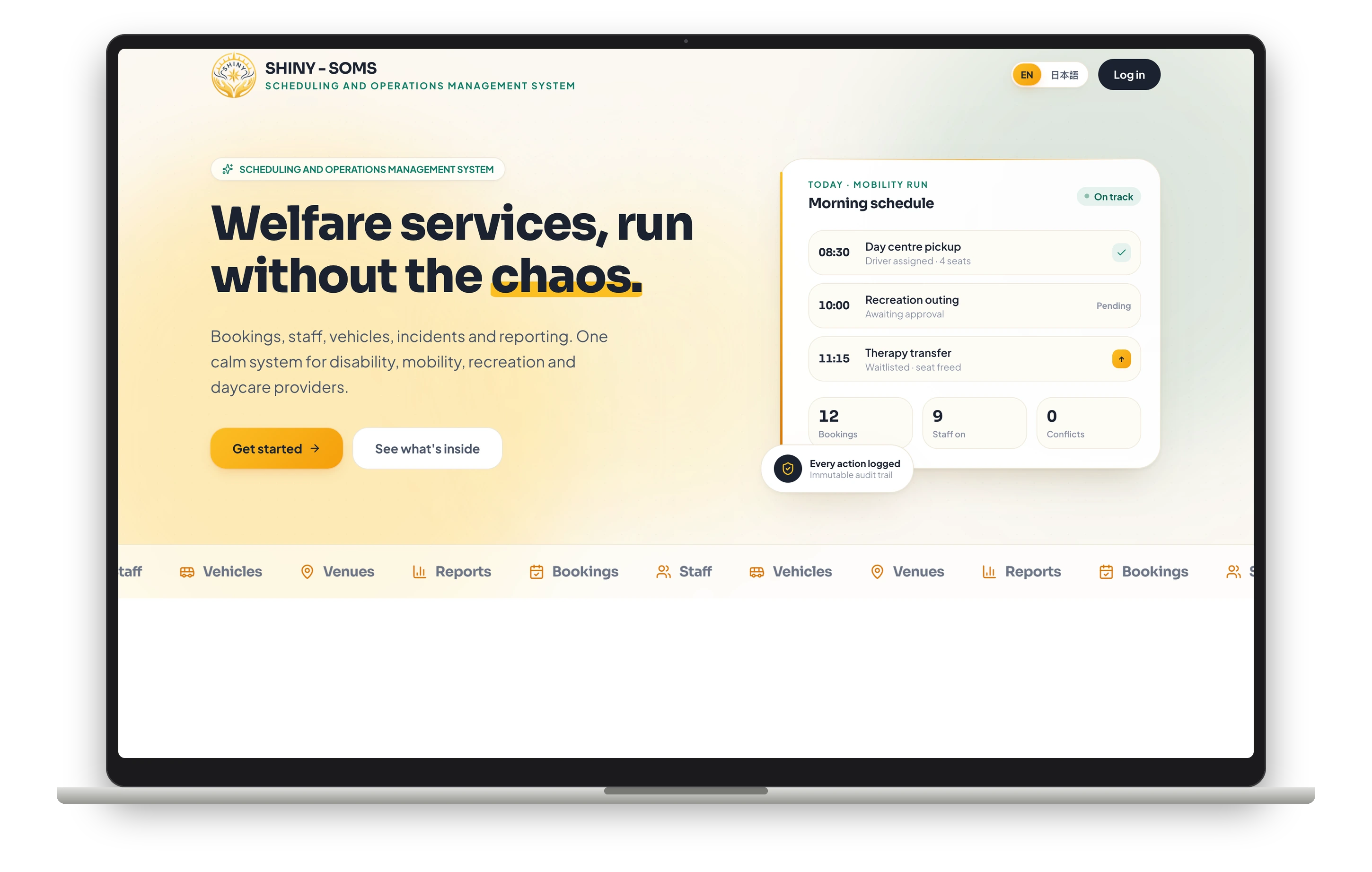
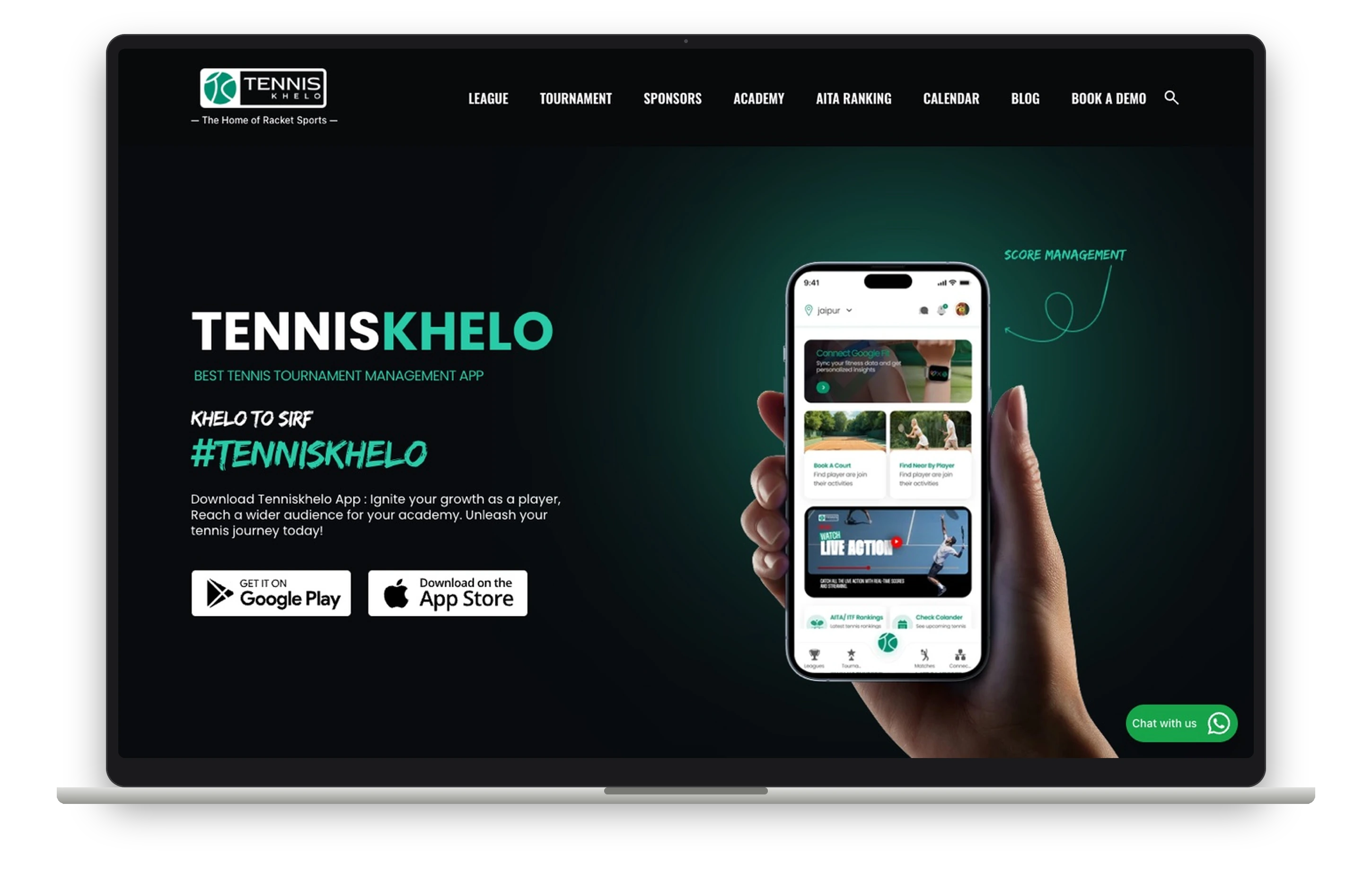
Engineering work, scoped to a business outcome.
Service detailFull Stack Development
One person owning the whole path: interface, API, database, deployment. Nothing falls between two contractors.
Single point of ownershipConsistent architectureNo hand-off gaps
SaaS Product Development
Multi-tenant products with billing, roles and usage limits built in from the first sprint rather than retrofitted after launch.
Tenant isolationSubscription billingRole-based access
AI Integration & Automation
Claude, GPT and embedding pipelines wired into real workflows, with provenance and confidence thresholds so the output can be trusted.
Structured extractionSource citationsCost caching
iOS & Android Apps
One React Native or Flutter codebase shipped to both stores, sharing the same API and data model as the web product instead of drifting from it.
Single codebaseBoth app storesShared backend
REST API Development
Versioned, documented APIs with authentication, rate limits and idempotency, the parts that decide whether integrations stay stable.
OpenAPI docsIdempotent writesRate limiting
Dashboards & Admin Panels
Internal tools that stay fast as data grows, using pre-aggregated reads instead of dashboards that scan the whole history.
Pre-aggregated readsGranular permissionsExport and audit
Payment Gateway Integration
Stripe and Razorpay implemented properly, webhook replay safety, refunds, mandates and a ledger that reconciles.
Replay-safe webhooksDouble-entry ledgerAutomated refunds
CRM & Business Systems
Lead capture, pipelines and follow-up automation that reacts to what a customer actually did, not to a schedule set days earlier.
Unified lead inboxState-aware automationLive reporting
Performance Optimization
Profiling a slow product and fixing the cause: query plans, N+1s, cache layers, bundle weight. Not more hardware.
Query and index tuningCaching strategyCore Web Vitals
I turn business problems into software that stays up.
Six years of it, end to end: planning, interface, backend, database, deployment and the maintenance afterwards. SaaS platforms, fintech workflows, AI pipelines and mobile apps for founders, agencies and product teams.
Started building for clients
First production work in PHP and Laravel: business dashboards and internal tools for small companies.
Moved to product engineering
Shifted from delivering features to owning products end to end, with React and Node alongside the Laravel work.
Fintech and scale
Lending, payments and ledger systems, where correctness and auditability matter more than velocity.
AI in production workflows
Extraction pipelines, retrieval and structured model output wired into existing business processes.
- Based in
- Jaipur, India · GMT+5:30
- Engagement
- Fixed-scope builds · Retainers
- Response time
- Within one business day
- Status
- Available for new projects
What you are actually hiring.
Most of these only matter after week three. That is exactly why they are worth asking about in week one.
Business-first thinking
I ask what the feature is worth before asking how to build it. Sometimes the answer is a smaller build.
Clean, scalable code
Written so the next engineer, often you or your hire, can extend it without a rewrite.
Transparent communication
Weekly written updates, honest estimates, and early warning when something is going to take longer.
A long-term technical partner
Most engagements continue past launch. I stay accountable for what I shipped.
Performance as a requirement
Core Web Vitals, query plans and bundle weight are part of the definition of done, not a later ticket.
Interfaces people can use
Accessible, responsive and considered. The same care on the admin panel as on the marketing page.
Tools I have shipped with, not tools I have read about.
Frontend
Interfaces that stay fast on real devices
- React
- Next.js
- TypeScript
- JavaScript
- Tailwind CSS
- Framer Motion
Mobile
One codebase, shipped to both stores
- React Native
- Flutter
- Expo
- iOS
- Android
- Push notifications
Backend
Domain logic, queues and APIs
- Node.js
- Express
- Laravel
- PHP
- Python
- FastAPI
- REST
- WebSockets
Database
Modelling, indexing and query tuning
- PostgreSQL
- MongoDB
- MySQL
- Redis
- Prisma
- pgvector
Cloud & DevOps
Shipping and keeping it up
- AWS
- Vercel
- Docker
- Cloudflare
- GitHub Actions
- Nginx
AI
Model work wired into product flows
- Claude API
- OpenAI
- Gemini
- LangChain
- RAG
- Embeddings
- pgvector
- Automation
Payments & Integrations
Money movement and third-party surfaces
- Stripe
- Razorpay
- PayPal
- Twilio
- SendGrid
- Google APIs
Five steps, and you see working software after every one.
- 01
Discovery call
45 minutesWe go through the business problem, who it affects and what success looks like. You leave with a straight answer on scope, cost and whether I am the right person for it.
- 02
Scope and architecture
3-5 daysData model, API surface, integrations and the risky parts written down before any code exists. This document is what we both hold the build against.
- 03
Build in visible slices
WeeklyWorking software on a staging URL every week, in vertical slices you can click through. No four-week silences ending in a surprise.
- 04
Harden and launch
1-2 weeksLoad behaviour, error paths, access control, backups, monitoring and SEO handled before launch rather than after the first incident.
- 05
Support and iterate
OngoingPost-launch fixes, metrics review and the next round of work. Most clients stay on a monthly arrangement rather than restarting from scratch.
Notes from the build.
Follow on LinkedInCode that other maintainers merged.
14 pull requests accepted into Laravel, Fastify, Koa, validator.js and four more libraries this stack already depends on. Reviewed by people who owe me nothing, and every one linked below.
The official Vite integration for Laravel.
- #375Sanitize variable font weight ranges in emitted asset filenamesVariable fonts with a weight range were producing invalid asset filenames on build.
- #374Honor the subsets option for google and bunny providersThe subsets option was silently ignored, so every build shipped the full font.
- #373Warn when optimized font fallbacks cannot be generatedFallback generation failed quietly; it now tells you instead.
- #372Respect the resolved Vite base in generated font CSS URLsFont URLs broke on any deployment served from a sub-path.
- #371Use spec-compliant format() keywords for ttf, otf and eot fontsNon-standard format keywords meant some browsers skipped the font.
Programmatic source-code editing behind much of the Nuxt tooling.
Byte formatting utility.
String validation library, used by a large share of the Node ecosystem.
Compression plugin for the Fastify server framework.
Compression middleware for Koa.
Process execution library used by Vitest.
The things people ask before the first call.
Fixed price when the scope is clear after the architecture document, and a monthly retainer for ongoing product work. I do not bill hourly, it rewards slow work and makes budgeting harder for you.
A focused MVP runs six to ten weeks. A full SaaS platform with billing, roles and integrations runs three to six months. You get a dated estimate after the scoping step, before any commitment.
Yes. That is a large share of the work: inheriting a half-finished product, auditing it, and either stabilising it or planning a staged migration. I will tell you honestly if a rewrite is cheaper than a rescue.
I am in Jaipur, India (GMT+5:30) and regularly overlap with UK, EU, US East and Australia clients. Expect a reply within one business day and a scheduled overlap window each week.
You do, from the first commit. Work happens in your repository or transfers to it at handover, with documentation and deployment access included.
Thirty days of bug fixes are included with every build. After that, most clients move to a monthly retainer covering support, monitoring and new feature work.
Yes. I take Figma files as-is, and I have worked as the engineering half of teams where design, marketing and product sat on the client side.
The problem in your own words, whoever it affects, and access to any existing system. Written specifications help but are not required, producing one is part of the scoping step.
Have a product idea, or one that stalled?
Tell me what you’re building and who it’s for. If I’m the wrong fit I’ll say so on the first call and point you somewhere better.
- A straight answer on scope, cost and fit, on the first call
- A written architecture document before any code exists
- Working software on a staging URL every week
Direct channels
Based in Jaipur, India (GMT+5:30). Replies within one business day.